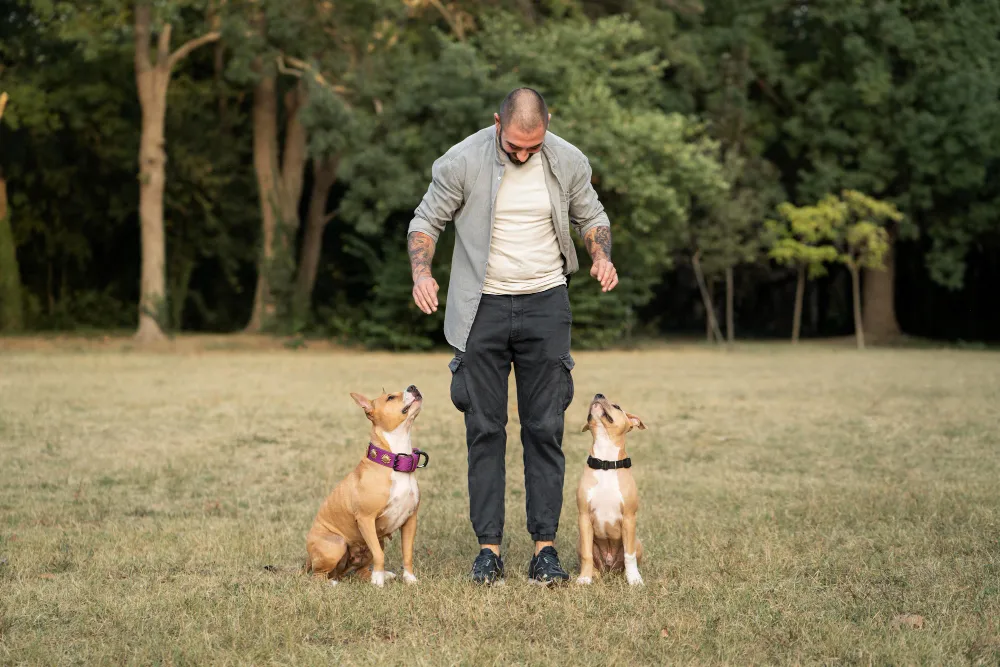
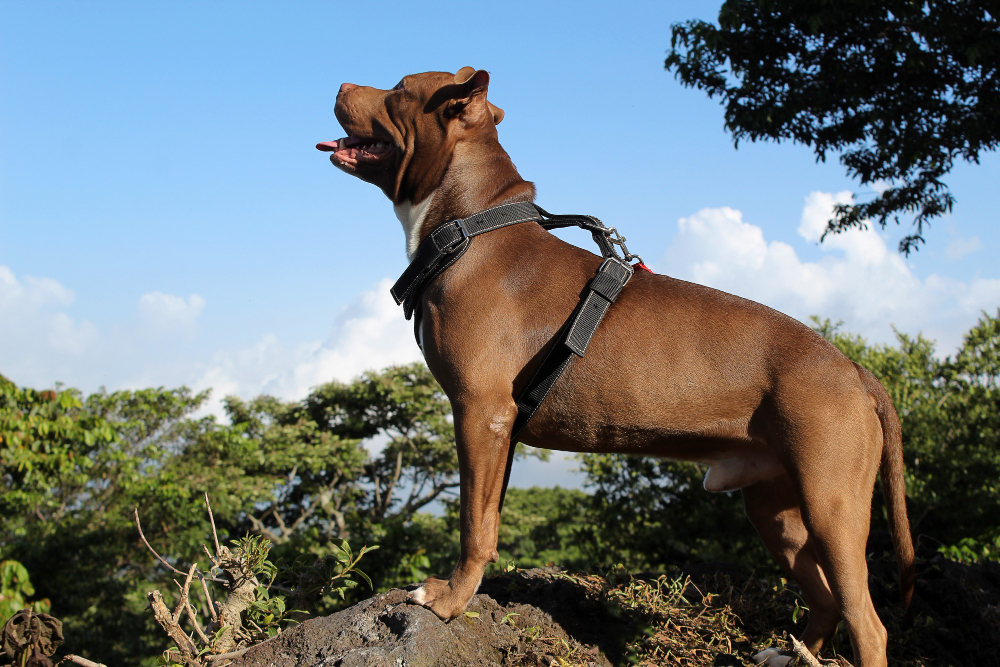
Your Complete Guide to Raising a Healthy, Happy Pitbull

Beyond the Myths. Beyond the Stereotypes. The Truth About America’s Most Misunderstood Dog.

Welcome to Guide to Pitbull —

where science-backed veterinary advice meets real-world Pitbull ownership experience.

We’re not here to romanticize. We’re not here to argue politics. We’re here to provide you with accurate, actionable information that improves the lives of Pitbulls and the families who love them.


Pitbulls aren’t for everyone. They require informed care, consistent training, proper socialization, and a commitment that goes deeper than most breeds demand. But if you’re willing to understand what these dogs actually need — their health vulnerabilities, behavioral characteristics, exercise requirements, and remarkable capacity for loyalty — you’ve found the right resource.
This isn’t a blog filled with fluff and feel-good platitudes. It’s a comprehensive knowledge base built by Pitbull owners who’ve navigated hip dysplasia, skin allergies, behavioral challenges, senior dog care, and everything in between.

WHY GUIDE TO PITBULL EXISTS

Because too many Pitbulls end up in shelters due to preventable behavioral problems.
Because too many owners don’t recognize the early signs of health issues until treatment becomes expensive or impossible.
Because misinformation about this breed is still rampant — and it costs dogs their lives.
We believe informed ownership is the best form of advocacy. When you understand how to properly care for a Pitbull — when you know their genetic predispositions, health risks, training needs, and social requirements — you don’t just get a better-behaved dog. You become a more responsible owner.
And that changes everything. For your dog. For your family. For the breed’s reputation.

WHAT YOU'LL FIND ON GUIDE TO PITBULL

We’ve organized our content into four core categories that cover every aspect of Pitbull ownership. Whether you’re a first-time owner or you’ve lived with Pitbulls for decades, our guides provide depth, clarity, and practical solutions.

PITBULL HEALTH: PREVENTION, EARLY DETECTION, AND MANAGEMENT

Pitbulls are relatively healthy dogs compared to many purebred breeds. But they do have breed-specific health vulnerabilities that every owner needs to understand.
The 10 Most Common Pitbull Health Problems
Based on veterinary research and clinical experience, these are the conditions Pitbulls are most prone to developing:

1. Skin Allergies and Dermatitis

Pitbulls have short, thin coats and comparatively sensitive skin. This makes them prone to environmental allergies (pollen, mold, dust mites), food allergies (often beef, chicken, dairy, or wheat), and contact dermatitis. Chronic skin issues lead to itching, hair loss, hot spots, bacterial infections, and significant discomfort if left unmanaged.

Early Warning Signs: Persistent scratching, red or inflamed skin, paw licking, ear infections, musty odor despite regular bathing.

Prevention Strategy: Regular grooming, hypoallergenic shampoos, elimination diet trials for food sensitivities, flea and tick prevention, environmental allergen management.
2. Hip Dysplasia

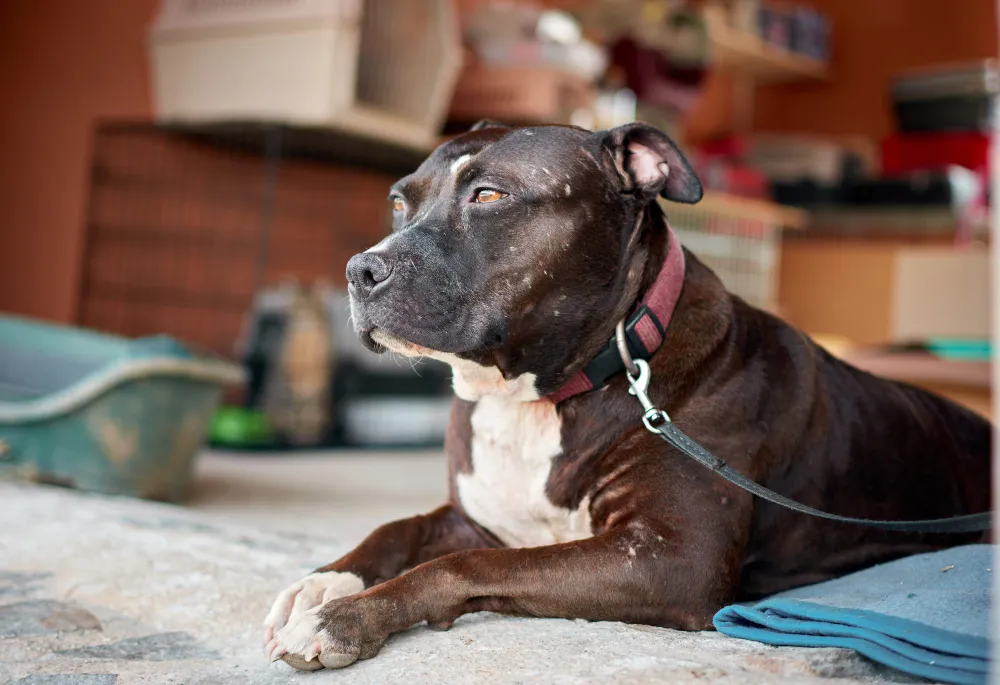
This developmental condition occurs when the femoral head doesn’t fit correctly into the hip socket. Over time, abnormal movement causes cartilage breakdown, chronic inflammation, and arthritis. More than 60% of Pitbulls develop some degree of hip dysplasia, especially if overweight or from poorly bred lines.

Early Warning Signs: Bunny-hopping gait, difficulty rising from sitting position, reluctance to climb stairs or jump, hind leg lameness, muscle wasting in rear legs.

Prevention Strategy: Maintain lean body weight (obesity accelerates joint damage), provide joint supplements (glucosamine, chondroitin, omega-3s), moderate exercise that builds muscle without stressing joints, OFA or PennHIP screening for breeding dogs.
4. Heart Disease (Congenital Defects)

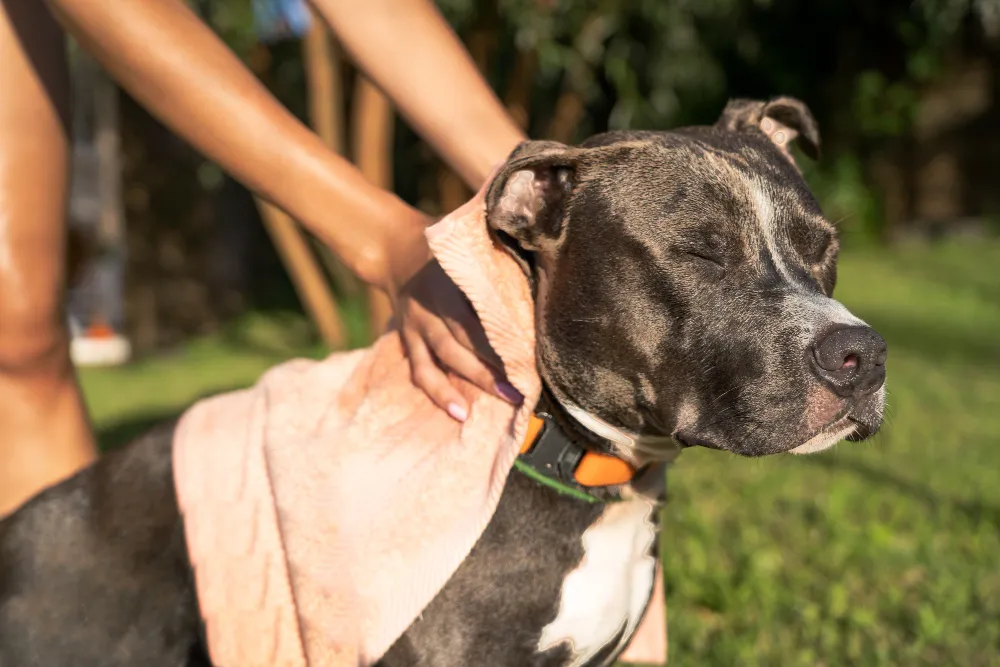
Many Pitbulls are born with heart valve abnormalities or arrhythmias (irregular heartbeat). These conditions may not affect quality of life in young dogs but become noticeable as the dog ages. Some are manageable with medication; others progress to congestive heart failure.

Early Warning Signs: Coughing (especially at night), difficulty breathing, exercise intolerance, fainting, bluish gums.

Prevention Strategy: Regular veterinary checkups with cardiac auscultation, early echocardiogram if murmur detected, avoid over-exertion in dogs with diagnosed conditions.

3. Obesity

This is the silent killer in Pitbulls. Obesity doesn’t announce itself with dramatic symptoms — it gradually accelerates every other health problem. It shortens lifespan by 2-3 years, increases cancer risk, worsens joint disease, strains the heart, and contributes to diabetes.

Early Warning Signs: You cannot feel ribs easily, loss of visible waist, difficulty breathing during normal activity, lethargy, reluctance to exercise.

Prevention Strategy: Proper portion control (measure food, don’t free-feed), high-protein whole-food diet, daily vigorous exercise, regular body condition scoring, adjust calories as dog ages.

5. Cruciate Ligament Tears (ACL/CCL)

The cranial cruciate ligament stabilizes the knee joint. Tears occur from sudden movements, jumping, or gradual degeneration. More than 60% of dogs who tear one CCL will eventually tear the other due to compensatory stress.

Early Warning Signs: Sudden lameness, reluctance to bear weight on hind leg, swelling around knee, popping sound during movement.

Prevention Strategy: Maintain healthy weight, strengthen hind leg muscles through controlled exercise, avoid repetitive high-impact jumping, consider knee braces for dogs at high risk.

6. Hypothyroidism

The thyroid gland produces hormones that regulate metabolism and digestion. When the gland underperforms, dogs experience weight gain, lethargy, skin problems, and coat changes. This typically appears after age 4.

Early Warning Signs: Unexplained weight gain despite normal diet, lethargy, cold intolerance, thinning coat, skin infections.

Prevention Strategy: Cannot be prevented (often genetic) but easily managed with daily thyroid medication once diagnosed.

8. Dental Disease

By age 3, 80% of dogs have some degree of periodontal disease. Pitbulls are no exception. Dental disease isn’t just cosmetic — bacteria from infected gums enter the bloodstream and damage the heart, liver, and kidneys. It can shorten lifespan by 1-3 years.

Early Warning Signs: Bad breath, yellow/brown tartar buildup, red or bleeding gums, reluctance to eat hard food, pawing at mouth.

Prevention Strategy: Daily tooth brushing, dental chews, professional cleanings under anesthesia as recommended by vet, avoid cooked bones that can fracture teeth.

7. Cataracts

Pitbulls are prone to developing cataracts, which cloud the eye lens and impair vision. Some are inherited; others develop secondary to diabetes or aging. Severe cases can lead to blindness.

Early Warning Signs: Cloudy or bluish appearance in pupil, difficulty navigating in low light, bumping into objects, hesitation before jumping.

Prevention Strategy: Maintain healthy blood sugar levels, regular veterinary eye exams, surgical removal if cataracts significantly impair vision.

9. Mast Cell Tumors and Cancer

Pitbulls develop mast cell tumors, osteosarcoma, and lymphoma more frequently than some other breeds. Most cancers appear in dogs over 8 years old. Early detection dramatically improves treatment outcomes.

Early Warning Signs: Lumps or bumps under skin, unexplained weight loss, lethargy, loss of appetite, difficulty breathing, lameness.

Prevention Strategy: Regular full-body checks for lumps (especially in senior dogs), prompt veterinary evaluation of any new growths, maintain lean body weight (obesity increases cancer risk).

10. Bloat (Gastric Dilatation-Volvulus)

Bloat is a life-threatening emergency where the stomach fills with gas and twists on its axis, cutting off blood supply. Deep-chested dogs are at elevated risk. This condition can kill a dog in hours.

Early Warning Signs: Distended abdomen, unproductive retching, restlessness, drooling, rapid breathing, collapse.

Prevention Strategy: Feed smaller meals multiple times per day (avoid one large meal), prevent vigorous exercise immediately before or after eating, consider slow-feed bowls, know emergency vet locations.
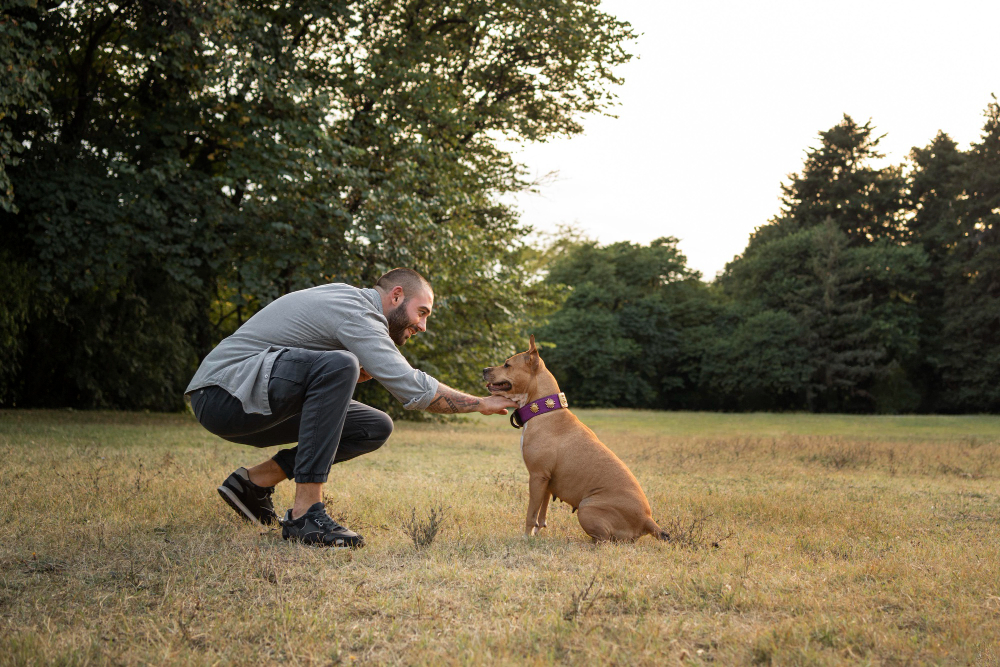
Why Early Detection Matters

Pitbulls have an incredibly high pain tolerance. They will run on a torn ACL. They’ll play with hip dysplasia. They’ll eat with dental disease.
By the time you notice limping, behavior changes, or appetite loss, the condition has often been developing for months. That’s why proactive health monitoring — regular vet checkups, at-home body condition assessments, awareness of subtle changes — is essential.

PITBULL TRAINING: BUILDING OBEDIENCE, TRUST, AND GOOD BEHAVIOR

Pitbulls are intelligent, strong-willed, people-oriented dogs. Training isn’t optional. It’s essential.

Why Training Matters More for This Breed

Pitbulls are muscular, powerful animals. An untrained 60-pound Pitbull pulling on a leash isn’t just inconvenient — it’s unsafe. More importantly, poorly socialized or untrained Pitbulls contribute to the negative stereotypes that lead to breed-specific legislation and housing discrimination.

Responsible ownership means your Pitbull is:

The longer you wait to start training, the harder it becomes. Habits formed in puppyhood are much easier to establish than behaviors you’re trying to change in a 2-year-old dog.

Positive Reinforcement: The Only Method That Works

Pitbulls do not respond well to punishment-based training. Dominance theory, alpha rolls, shock collars, and physical corrections damage trust and increase the likelihood of fear-based aggression.

What works:

Pitbulls are eager to please. When you make training rewarding and predictable, they learn quickly.

Leash Training and Public Behavior

A Pitbull that pulls on the leash, lunges at other dogs, or jumps on strangers is a liability. Leash reactivity is one of the most common behavioral complaints among Pitbull owners, and it’s almost always preventable.

How to build good leash manners:

Mental Stimulation: Preventing Boredom-Driven Destruction

Socialization: The Most Important Training Investment

Socialization is the process of exposing your Pitbull to a wide variety of people, environments, sounds, and experiences during their critical development period (8-16 weeks). Proper socialization reduces fear, prevents aggression, and builds confidence.

What socialization looks like:

Dogs that aren’t properly socialized become fearful, reactive, or aggressive in unfamiliar situations. For Pitbulls, this has serious consequences — one incident can result in housing loss, legal action, or euthanasia.

Mental Stimulation: Preventing Boredom-Driven Destruction

Pitbulls are smart, high-energy dogs. A bored Pitbull becomes destructive. Chewed furniture, dug-up yards, excessive barking, and obsessive behaviors are symptoms of under-stimulation.

Mental enrichment activities:

A mentally tired dog is a well-behaved dog. If your Pitbull is acting out, they probably need more brain work, not just physical exercise.

PITBULL BREEDS & TYPES: UNDERSTANDING THE DIFFERENCES

“Pitbull” isn’t a single breed. It’s an umbrella term for several distinct breeds and mixes that share common ancestry.

The Four Main Pitbull Breeds

1. American Pit Bull Terrier (APBT)

The most common “Pitbull.” Recognized by the United Kennel Club (UKC) but not the American Kennel Club (AKC). These dogs are athletic, loyal, and people-oriented. They were originally bred as farm dogs and companions.

Size: 30-65 pounds, 17-21 inches tall

Temperament: Affectionate, energetic, eager to please

Common Use: Family companion, therapy dog, athletic competitions

2. American Staffordshire Terrier (AmStaff)

Essentially the same breed as the APBT but recognized by the AKC. The AKC renamed the breed in 1936 to distance it from dog fighting associations. Visually indistinguishable from APBTs.

Size: 40-70 pounds, 17-19 inches tall

Temperament: Confident, loyal, good with children

Common Use: Family pet, show dog

3. Staffordshire Bull Terrier (Staffie)

The British counterpart to American Pitbull breeds. Smaller and stockier. Known for being excellent with children, earning the nickname “nanny dog.”

Size: 24-38 pounds, 14-16 inches tall

Temperament: Gentle, playful, affectionate

Common Use: Family companion, especially in homes with children

4. American Bully

A newer breed developed in the 1990s. Bred specifically to be a family-friendly companion with a more relaxed temperament. Stockier and more muscular than APBTs.

Size: 30-65 pounds (varies by class: Pocket, Standard, Classic, XL)

Temperament: Gentle, friendly, low prey drive

Common Use: Family pet, companion animal

Color Variations: Blue Nose and Red Nose Pitbulls

These aren’t separate breeds — they’re color variations within the American Pit Bull Terrier breed.
Blue Nose Pitbulls have a blue-gray coat, nose, lips, eyes, and toenails. The color comes from a recessive gene, making them rarer and more expensive. The same gene can cause lower melanin levels, increasing skin sensitivity.
Red Nose Pitbulls have a copper-red coat and nose. They descend from the “Old Family Red Nose” (OFRN) line from Ireland. No health or temperament difference from other APBTs — just a different color.

Pitbull Mixes

Mixed-breed Pitbulls often exhibit hybrid vigor, meaning they have fewer genetic health problems than purebreds. Common mixes include:
Mixed breeds can be just as loyal, trainable, and affectionate as purebreds — and they often live longer with fewer health complications.

PITBULL NUTRITION & CARE: FEEDING FOR HEALTH AND LONGEVITY

What you feed your Pitbull directly impacts their health, energy level, coat quality, immune function, and lifespan.

What Pitbulls Should Eat

Pitbulls thrive on high-protein, moderate-fat diets where named animal protein is the first ingredient.

Look for:

Ideal Macronutrient Ratios:

Portion Control and Obesity Prevention

Pitbulls are prone to weight gain, especially as they age. Obesity is the single most preventable health problem in this breed.

How to maintain healthy weight:

If your Pitbull is overweight, work with your vet to create a controlled weight-loss plan. Rapid weight loss can cause health problems.

Food Allergies and Sensitivities

Many Pitbulls develop food allergies that manifest as chronic skin problems, ear infections, or digestive issues.

Most common allergens:

If your Pitbull has recurring skin issues despite flea prevention and environmental controls, an elimination diet trial may be diagnostic. This involves feeding a novel protein (duck, venison, kangaroo, fish) for 8-12 weeks to see if symptoms resolve.

Joint Supplements and Preventive Care

Given the high incidence of hip dysplasia and arthritis in Pitbulls, joint supplements are worth considering — especially for dogs over 5 years old or with family history of joint problems.

Effective supplements:

Talk to your vet before adding supplements, especially if your dog is on medication.

Exercise Requirements

Pitbulls are athletic dogs bred for strength and endurance. Inadequate exercise leads to obesity, behavioral problems, and destructive tendencies.

Daily exercise needs:

Adjust intensity as your dog ages. Senior Pitbulls (8+ years) need gentler exercise — longer walks at slower pace rather than high-impact running.

Grooming and Skin Care

Pitbulls have short coats that require minimal grooming, but their sensitive skin needs attention.

Grooming routine:

Regular grooming isn’t just cosmetic — it’s an opportunity to check for lumps, skin abnormalities, ear infections, and dental disease.

SENIOR PITBULL CARE: ADAPTING TO AGING

Pitbulls are considered seniors around 8-10 years of age. Many owners are surprised by this because their dog still acts young. But aging happens internally before you see external signs.

How Pitbull Needs Change with Age

Older Pitbulls benefit from:

The dogs that live longest are lean, exercised regularly throughout life, fed quality diets, and received consistent preventive veterinary care.

THE RESPONSIBILITY OF PITBULL OWNERSHIP

Owning a Pitbull is not the same as owning a Golden Retriever or a Beagle. The world treats these dogs differently. Housing discrimination is real. Breed-specific legislation exists. Insurance companies charge higher premiums or refuse coverage.

This isn’t fair. But it’s reality.

The best way to advocate for Pitbulls is to be an exemplary owner. That means:

Every well-behaved Pitbull changes someone’s mind. Every poorly managed Pitbull reinforces stereotypes.
We can’t control what other people think. But we can control how we raise our dogs.

START YOUR PITBULL JOURNEY HERE

Whether you’re considering adopting your first Pitbull or you’ve shared your life with them for years, Guide to Pitbull is here to support you with accurate, research-backed, practical information.

Explore Our Top Resources:

Health Guides

Training Resources

Breed Information

Nutrition & Care

Every guide is built on veterinary research, peer-reviewed studies, and real-world experience from Pitbull owners who’ve navigated these challenges firsthand.

THE GUIDE TO PITBULL PROMISE

We will never sugarcoat the challenges of Pitbull ownership.
We will never promote irresponsible breeding or ownership practices.
We will always prioritize the health and welfare of the dog over human convenience.
We will continuously update our content as new veterinary research emerges.
Because your Pitbull deserves informed, compassionate, science-based care.
And that’s exactly what we’re here to provide.
Welcome to Guide to Pitbull. Let’s raise healthier, happier Pitbulls together.